Introduction: The Art and Science of a Perfect Car Wash
For many, a car is more than just a mode of transportation; it’s a statement, a passion, and a significant investment. Keeping it in pristine condition is a rewarding endeavor, but the world of auto detailing can be a confusing landscape of conflicting advice and an overwhelming array of products. At Joe in the Dirt, we believe in empowering car enthusiasts and aspiring detailers with the knowledge and tools to achieve professional-grade results. We’re not just about selling products; we’re about fostering a community of skilled individuals who take pride in their work. This philosophy is at the core of everything we do, from our free training programs for at-risk youth to the high-quality products we offer in our shop.
In this comprehensive guide, we will demystify the car washing process and introduce you to a method that is both efficient and incredibly effective: the one-bucket wash method. Now, before you dismiss this as a shortcut or a compromise on quality, let us assure you that when done correctly, this technique can deliver a flawless, scratch-free finish that will make your vehicle shine like never before. We’ll delve into the science behind this method, explaining how a simple pre-rinse with the right alkaline shampoo can eliminate the vast majority of dirt before you even make contact with the paint. We’ll also discuss the essential equipment that every detailer should have in their arsenal, from a reliable power washer to the finest Korean microfiber towels.
Furthermore, we’ll explore the importance of having a well-stocked inventory of upselling products, such as waxes and wet coats, that can take your detailing services to the next level. Whether you’re a seasoned professional or a weekend warrior, this guide will provide you with the knowledge and confidence to elevate your car care routine. So, grab a notepad, and let’s embark on this journey to mastering the art and science of the perfect car wash.
The One-Bucket Method: Redefining the Car Wash
In the world of auto detailing, the two-bucket wash method has long been hailed as the gold standard for preventing scratches and swirl marks. The logic is sound: one bucket for your soapy wash solution and a second for rinsing your wash mitt, ensuring that you don’t reintroduce dirt and grit back onto the vehicle’s paint. It’s a technique that has served detailers well for years, and for many, it remains the primary method for washing a car. However, as technology and our understanding of car care have evolved, so too have our methods. At Joe in the Dirt, we advocate for a more streamlined yet equally effective approach: the one-bucket method, supplemented by a dedicated bucket for wheels and tires.
Now, we understand the skepticism. The idea of using a single bucket for the entire car might seem like a step backward, a recipe for disaster that will inevitably lead to a scratched and marred finish. But this is where the nuances of the modern one-bucket method come into play. This isn’t about simply dunking a dirty mitt back into your clean wash solution. It’s a systematic process that, when combined with the right products and techniques, can deliver a wash that is not only faster but also safer for your vehicle’s delicate paintwork. The key to this method lies in two critical components: the pre-rinse and the grit guard.
Before we delve into the pre-rinse, let’s talk about the unsung hero of the one-bucket method: the grit guard. This simple, yet ingenious, device sits at the bottom of your wash bucket, creating a barrier between your wash mitt and the dirt and debris that you’ve removed from the car. The radial design of the grit guard’s surface helps to scrub your mitt clean, while the fins on the underside prevent the water from swirling and lifting the grit back into your wash solution. Every time you dunk your mitt, the dirt is released and settles at the bottom of the bucket, safely below the grit guard. This means that with each pass, you’re using a clean, grit-free mitt, dramatically reducing the risk of inflicting scratches.
It’s also crucial to emphasize that while we advocate for a one-bucket method for the body of the car, we are staunch believers in using a separate, dedicated bucket for the wheels and tires. This is non-negotiable. Your wheels and tires are, without a doubt, the dirtiest part of your vehicle. They are constantly bombarded with brake dust, road grime, and a wide range of other contaminants. Brake dust, in particular, is highly abrasive and can cause significant damage if transferred to your paint. By using a separate bucket, wash mitt, and brushes for your wheels, you create a closed system that prevents cross-contamination. This is a fundamental principle of safe car washing that should never be overlooked, regardless of whether you’re using a one-bucket or two-bucket method for the rest of the car.
So, why does the one-bucket method work so well when these principles are followed? The answer lies in the pre-rinse, which we will explore in detail in the next section. By removing the vast majority of dirt and grime before you even touch the car with a wash mitt, you minimize the amount of abrasive material that can be dragged across the paint. The contact wash becomes less about heavy-duty cleaning and more about gently removing the remaining, minimal layer of traffic film. This is the paradigm shift that makes the one-bucket method not just a viable option, but a superior one for the modern, educated detailer. It’s about working smarter, not harder, and leveraging the power of advanced chemical technology to do the heavy lifting for you.
The Power of the Pre-Rinse: Letting Chemistry Do the Work
At the heart of the one-bucket wash method lies a principle that is as simple as it is profound: the less dirt you have on the car when you start the contact wash, the lower the risk of scratching the paint. This is where the pre-rinse comes in, and it’s a step that should never be skipped or rushed. A thorough pre-rinse with a high-pressure power washer is a good start, as it will physically remove loose dirt, dust, and debris. However, to truly elevate your car wash and unlock the full potential of the one-bucket method, you need to incorporate a chemical pre-wash with a high-quality alkaline car shampoo.
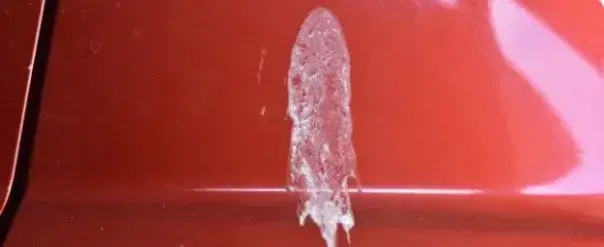
Alkaline shampoos, also known as pre-wash snow foams, are a game-changer in the world of detailing. Unlike pH-neutral shampoos, which are designed for the contact wash phase, alkaline shampoos have a higher pH level, typically ranging from 8 to 12. This alkalinity gives them the power to break down and dissolve organic contaminants, such as road grime, bug splatter, and bird droppings, without the need for mechanical agitation. When applied to the vehicle as a thick, clinging foam, the alkaline shampoo dwells on the surface, working its magic on the dirt and grime. The foam encapsulates the dirt particles, lifting them from the paint and holding them in suspension. After a few minutes of dwelling, you simply rinse the foam away, and with it, over 90% of the organic dirt that was on your car.
This is a crucial point to understand. The pre-rinse with an alkaline shampoo is not just about wetting the car; it’s about deep cleaning it at a chemical level. The result is a surface that is significantly cleaner before you even touch it with a wash mitt. The remaining dirt is minimal, and the risk of scratching the paint during the contact wash is dramatically reduced. This is why the one-bucket method, when preceded by a proper alkaline pre-wash, is not only safe but also incredibly effective. You are no longer relying on your wash mitt to do the heavy lifting; you are using it to gently remove the last vestiges of traffic film from a surface that is already 90% clean.
When selecting an alkaline shampoo, it’s essential to choose a high-quality product from a reputable brand. At Joe in the Dirt, we are proud to offer a range of premium chemicals from reputable brands, including Labocosmetica, Maniac Line, and Koch Chemie. These companies are at the forefront of car care technology, and their products are formulated to deliver exceptional cleaning power without being overly aggressive. A good alkaline shampoo will be effective at removing dirt and grime, while also being safe for your vehicle’s paint, trim, and any existing waxes or sealants. It’s a delicate balance, and one that the top-tier brands have perfected.
The application of the alkaline shampoo is best done with a foam gun or a foam cannon attached to a power washer. This creates the thick, clinging foam that is essential for a proper pre-wash. The foam should be applied to the entire vehicle, starting from the bottom and working your way up. This ensures that the lower, dirtier sections of the car receive the longest dwell time. Allow the foam to dwell for the manufacturer’s recommended time, typically between 5 and 10 minutes. You will see the foam start to break down and run off the car, carrying the dirt with it. It’s a satisfying sight, and a clear indication that the shampoo is working as intended. After the dwell time is complete, rinse the vehicle thoroughly with your power washer, starting from the top and working your way down. The result will be a car that is visibly cleaner and ready for a safe and gentle contact wash.
By incorporating this chemical pre-wash into your routine, you are not just washing your car; you are decontaminating it. You are using the power of chemistry to do the hard work for you, and in doing so, you are preserving the integrity of your vehicle’s paint. This is the secret to a truly professional-grade car wash, and it’s the foundation upon which the one-bucket method is built.
The Contact Wash: A Gentle and Methodical Approach
With the pre-rinse complete, your vehicle is now free of the heavy, abrasive dirt that poses the greatest threat to your paint. The contact wash phase is now a much safer and more enjoyable process. This is where you’ll use your single bucket with a grit guard, filled with a high-quality, pH-neutral car shampoo. The purpose of the contact wash is to gently remove the remaining traffic film and any other contaminants that the pre-rinse may have left behind. It’s a methodical and deliberate process that, when done correctly, will leave your car with a stunning, streak-free finish.
First, let’s talk about the shampoo. For the contact wash, use a pH-neutral shampoo rich in lubricants. These lubricants are crucial, as they create a slippery barrier between your wash mitt and the paint, further reducing the risk of scratching. A good pH-neutral shampoo will also be gentle on any existing waxes, sealants, or ceramic coatings, ensuring that you are cleaning the car without stripping away its protection. Brands such as Labocosmetica, Maniac Line, and Koch Chemie offer a range of excellent pH-neutral shampoos that are ideal for this application. They produce a rich, luxurious lather that not only looks great but also plays a vital role in encapsulating and lifting away any remaining dirt.
Now, let’s move on to the wash mitt. The choice of a wash mitt is just as important as the choice of shampoo. We highly recommend using a high-quality microfiber wash mitt, preferably one made from Korean microfiber. Korean microfiber is known for its exceptional softness and absorbency. The long, plush fibers of a Korean microfiber mitt will trap any remaining dirt particles, pulling them away from the paint and preventing them from being dragged across the surface. Avoid using old-fashioned sponges, as they are notorious for trapping grit and causing scratches. A good wash mitt is an investment in the health of your vehicle’s paint, and it’s a tool that should be chosen with care.
With your bucket, grit guard, shampoo, and wash mitt ready, it’s time to begin the contact wash. The process should always be done from the top of the vehicle down. This is because the lower sections of the car are typically the dirtiest, and you want to avoid transferring that dirt to the cleaner, upper panels. Start with the roof, then move to the hood, trunk, and the upper sections of the doors and fenders. Wash one panel at a time, using straight, overlapping passes. Avoid washing in circles, as this can create swirl marks. After washing each panel, return your wash mitt to the bucket and scrub it against the grit guard. This will release any dirt that the mitt has picked up, ensuring that you are always working with a clean tool.
As you work your way down the car, you’ll notice that your wash water remains surprisingly clean. This is the beauty of the pre-rinse. Because you’ve already removed the vast majority of the dirt, your wash mitt is picking up very little in the way of contaminants. This is what makes the one-bucket method so effective. You are not constantly dunking a dirty mitt back into your wash solution; you are gently cleansing a surface that is already 90% clean. The risk of scratching is minimal, and the results are exceptional.
Once you have washed the entire vehicle, it’s time to rinse. Use your power washer to thoroughly rinse the car, starting from the top and working your way down. Make sure to rinse all of the shampoo from the surface, as any residue can leave streaks and water spots. After the final rinse, it’s time to dry the vehicle. This is another critical step, as improper drying can easily introduce scratches and swirl marks. We recommend using a combination of a high-powered car dryer and a plush, high-quality microfiber drying towel. The car dryer will remove the majority of the water from the surface without any physical contact, and the drying towel can be used to gently blot away any remaining droplets. Never drag a dry towel across the paint, as this can cause scratches. Always use a light, blotting motion.
By following this methodical and gentle approach to the contact wash, you can achieve a flawless, scratch-free finish every time. It’s a process that requires patience and attention to detail, but the results are well worth the effort. The one-bucket method, when combined with a proper pre-rinse and the right tools, is a powerful and effective way to maintain your vehicle’s beauty. It’s a testament to the fact that in the world of detailing, it’s not about working harder; it’s about working smarter.
Essential Equipment for the Modern Detailer: More Than Just a Bucket and Sponge
To truly elevate your car washing and detailing, you need to have the right tools for the job. The days of using a single bucket, a worn-out sponge, and a garden hose are now a thing of the past. The modern detailer understands that the quality of their equipment has a direct impact on the quality of their work. Investing in the right tools will not only make your job easier and more efficient, but it will also help you to achieve a higher standard of finish and protect the vehicle from damage. At Joe in the Dirt, we believe that having a basic, yet high-quality, set of equipment is non-negotiable. It’s the foundation upon which all great detailing work is built.
The Power Washer: Your First Line of Defense
A power washer, also known as a pressure washer, is arguably the most important piece of equipment in a detailer’s arsenal. It is the cornerstone of the pre-rinse, playing a vital role in removing heavy dirt and grime before you even touch the car with a wash mitt. The high-pressure stream of water is incredibly effective at dislodging mud, sand, and other abrasive contaminants that can cause significant damage to the paint if they are dragged across the surface. When used in conjunction with an alkaline shampoo and a foam cannon, the power washer becomes a powerful cleaning tool that does the majority of the work for you.
When choosing a power washer, you don’t need a gas-powered behemoth that could strip the paint off a battleship. An electric power washer with a pressure rating of around 1,200 to 1,900 PSI (pounds per square inch) and a water flow rate of 1.2 to 1.5 GPM (gallons per minute) is more than sufficient for automotive use. Look for a model that comes with a variety of nozzle tips, as this will allow you to adjust the spray pattern for different tasks. A 40-degree nozzle is ideal for general rinsing, while a 25-degree nozzle can be used for more stubborn areas. Always exercise caution when using a power washer, and never use a zero-degree nozzle on a vehicle, as it can easily damage the paint.
The Foam Gun/Cannon: The Key to a Touchless Wash
A foam gun or foam cannon is the perfect companion to your power washer. This device attaches to the end of your power washer wand and injects your alkaline shampoo into the water stream, creating a thick, clinging foam. This foam is the key to a successful pre-wash. It allows the shampoo to dwell on the surface of the vehicle, giving it time to break down and dissolve the dirt and grime. The foam also provides a layer of lubrication, which helps prevent scratches when rinsing the vehicle.
There are two main types of foamers: foam guns, which attach to a standard garden hose, and foam cannons, which attach to a power washer. While a foam gun is better than nothing, a foam cannon is the superior choice. The high pressure from the power washer creates a much thicker and more effective foam, which clings to the vehicle for longer and provides better cleaning power. When using a foam cannon, ensure the nozzle is adjusted to create a wide, fan-shaped spray pattern. This will allow you to cover the vehicle quickly and evenly.
Buckets and Grit Guards: The Foundation of a Safe Wash
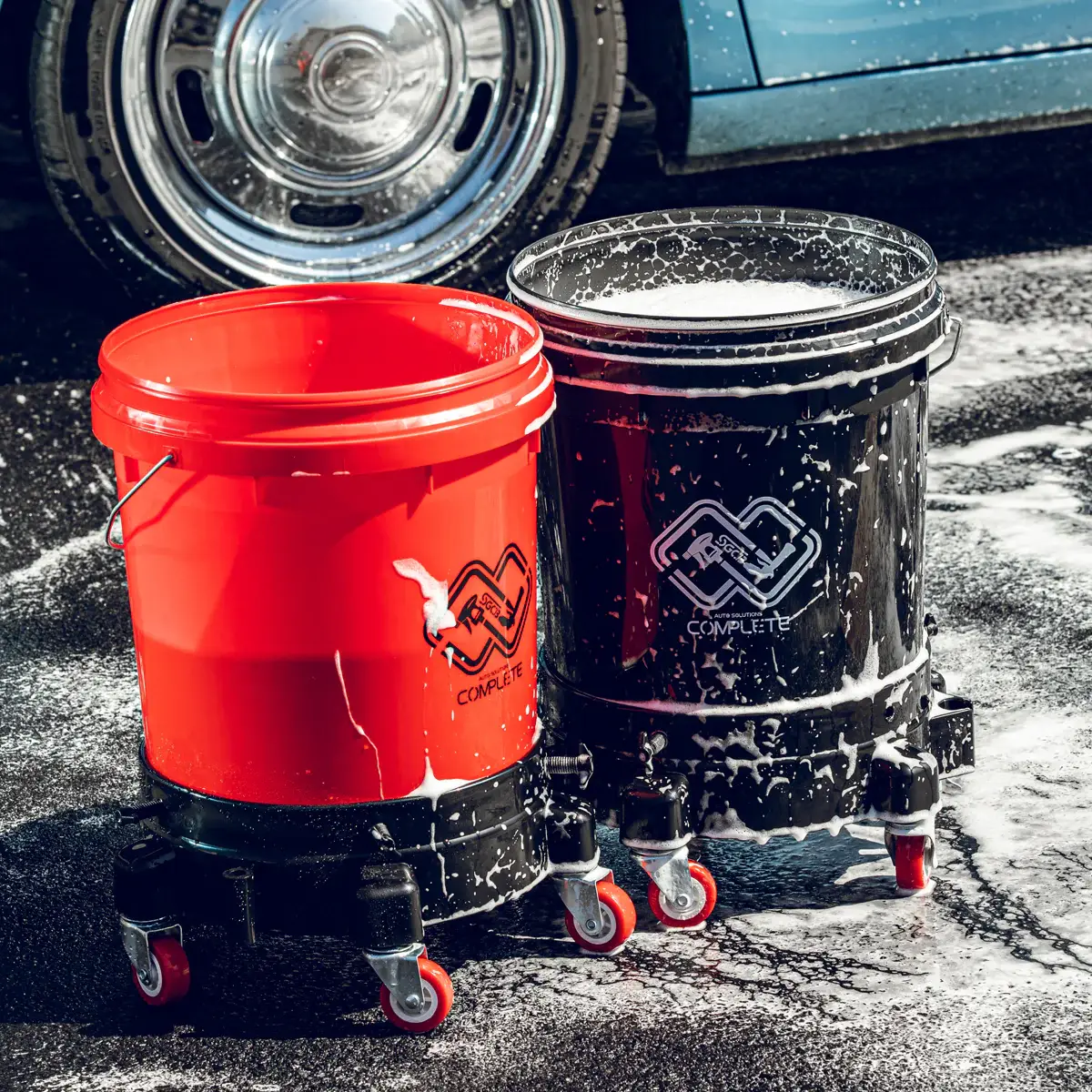
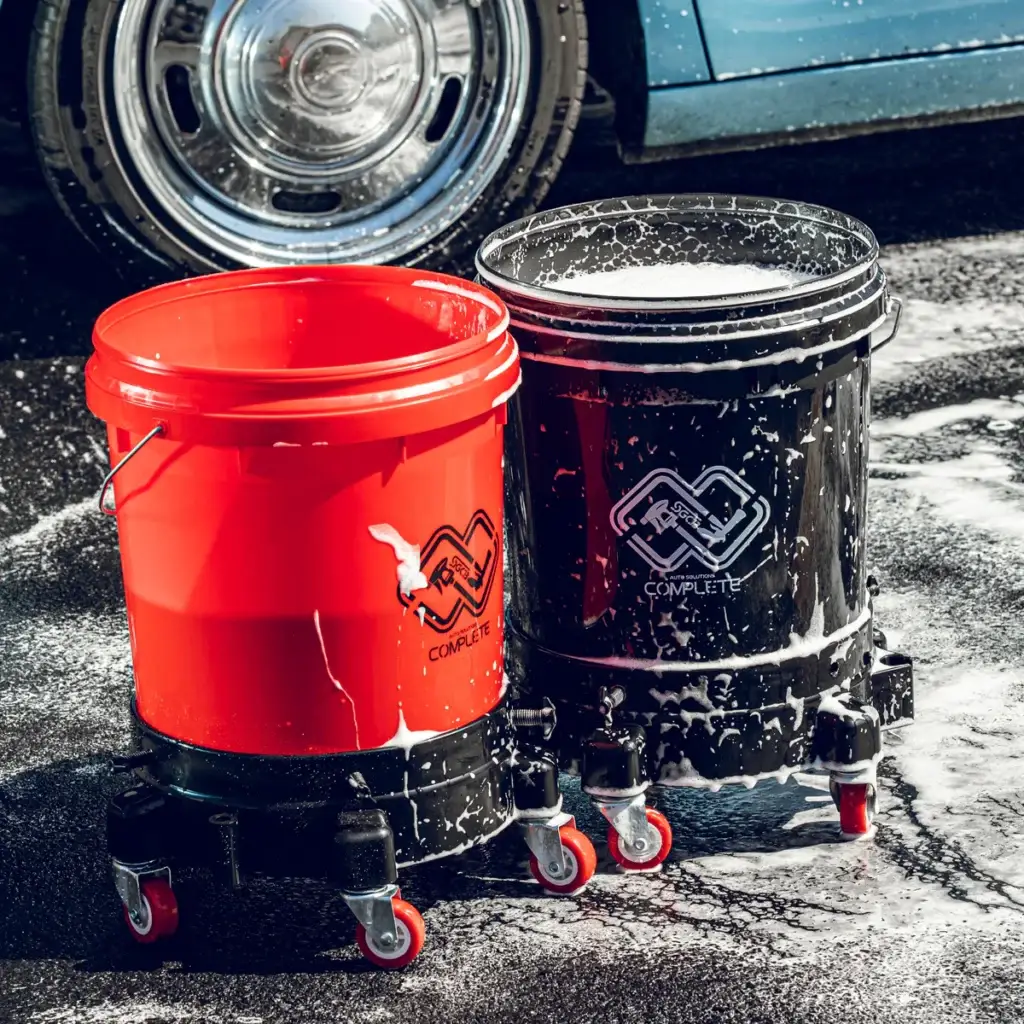
As we’ve already discussed, the one-bucket method is our preferred approach for the contact wash. However, this doesn’t mean that you only need one bucket in your entire detailing arsenal. As we’ve stressed, you should always have a separate, dedicated bucket for your wheels and tires. This is a simple but crucial step in preventing cross-contamination. Your wheel bucket should be clearly labeled to avoid any mix-ups. We also recommend using a different color bucket for your wheels to make it even easier to distinguish.
Inside your wash bucket, a grit guard is an absolute must. This simple and inexpensive device is one of the most effective tools for preventing scratches. It creates a barrier at the bottom of the bucket that traps the dirt and grit that you remove from the car. Every time you rinse your wash mitt, you scrub it against the grit guard, which releases the dirt and allows it to settle at the bottom of the bucket. This ensures that you do not reintroduce dirt back onto the car with your next pass.
High-Quality Korean Microfiber Towels: The Finishing Touch
The final, and arguably one of the most important, pieces of equipment in your detailing arsenal is a set of high-quality microfiber towels. Microfiber is a synthetic material composed of incredibly fine fibers. These fibers are split into a star-shaped cross-section, which enables them to trap and hold dirt, dust, and moisture. When it comes to auto detailing, not all microfiber is created equal. We are strong advocates for Korean microfiber, which is widely regarded as the best in the world. Korean microfiber is known for its exceptional softness, absorbency, and durability.
For the contact wash, you’ll want a plush, long-pile microfiber wash mitt. For drying, a large, thick, and absorbent microfiber drying towel is essential. We recommend a towel with a weight of at least 500 GSM (grams per square meter). You’ll also want a variety of other microfiber towels for different tasks, such as buffing away wax, cleaning glass, and wiping down interior surfaces. A 70/30 blend of polyester and polyamide is generally considered the ideal ratio for detailing towels, as it provides the perfect balance of softness and cleaning power.
Investing in this essential equipment is an investment in the quality and safety of your work. It’s about having the right tools to do the job properly and professionally. With a power washer, a foam cannon, the right buckets and grit guards, and a set of high-quality Korean microfiber towels, you’ll have everything you need to achieve a flawless, scratch-free finish every time.
Beyond the Wash: The Art of the Upsell
As a professional detailer, your ability to perform a flawless car wash is the foundation of your business. It’s what builds your reputation and keeps clients coming back. However, to truly maximize your profitability and take your business to the next level, you need to master the art of the upsell. Upselling is not about being a pushy salesperson; it’s about educating your clients on the additional services and products that can enhance and protect their investment. It’s about offering solutions that they may not have even known they needed. When done correctly, upselling is a win-win situation: your client gets a better-looking and better-protected vehicle, and you increase your revenue per job.
The Power of Protection: Waxes, Sealants, and Ceramic Coatings
One of the easiest and most logical upsells after a car wash is the application of a protective layer. This is where your expertise as a detailer truly shines. You can explain to your client that while the car is now perfectly clean, it is also completely bare and unprotected from the elements. This is the perfect opportunity to introduce them to the world of waxes, sealants, and ceramic coatings.
- Waxes: Carnauba waxes are the traditional choice for paint protection. They provide a deep, warm glow that is particularly stunning on dark-colored cars. A high-quality carnauba wax can last for several weeks and will provide excellent water beading and protection from UV rays. This is a great entry-level upsell for clients who are new to the world of detailing.
- Sealants: Paint sealants are a synthetic alternative to waxes. They are typically easier to apply and offer longer-lasting protection, often up to six months. Sealants create a slick, glossy finish that is more reflective than the warm glow of a carnauba wax. They are a great option for clients who want a durable and low-maintenance form of protection.
- Wet Coats: Wet coats, also known as spray sealants or ceramic detail sprays, are a fantastic upsell for clients who are short on time but still want a boost in gloss and protection. These products are simply sprayed onto the wet vehicle after the final rinse and then immediately rinsed off. They create an instant layer of hydrophobic protection that can last for several weeks. The visual impact of a wet coat is immediate and impressive, making it an easy sell.
- Ceramic Coatings: For the ultimate in paint protection, there is nothing that compares to a professional-grade ceramic coating. These coatings create a hard, durable layer of protection that can last for years. They are incredibly resistant to scratches, chemicals, and UV rays, and they create a level of gloss and slickness that is simply unmatched by waxes or sealants. While the application of a ceramic coating is a much more involved and expensive process, it is a high-ticket service that can significantly boost your bottom line.
Interior Detailing: A Clean Car on the Inside and Out
Another natural upsell is to offer an interior detailing service. A client who has just invested in having the exterior of their car perfected is likely to be receptive to the idea of having the interior brought up to the same standard. A basic interior detail could include a thorough vacuuming, a wipe-down of all surfaces, and a cleaning of the interior glass. For a more comprehensive package, you could offer services such as upholstery shampooing, leather cleaning and conditioning, and steam cleaning.
Additional Services: The Little Things That Make a Big Difference
Beyond the major services, there are a number of smaller, add-on services that you can offer to increase your revenue and provide a more complete detailing experience for your clients.
- Headlight Restoration: Over time, the plastic lenses on modern headlights can become yellowed and oxidized. This not only looks unsightly, but it also reduces the effectiveness of the headlights. A headlight restoration service can restore the clarity of the lenses, improving both the appearance and the safety of the vehicle.
- Engine Bay Detailing: A clean engine bay is the mark of a truly thorough detailer. While many clients may not think to ask for this service, they are often impressed when they see the results. A clean engine bay not only looks great, but it can also make it easier to spot any potential leaks or mechanical issues.
- Glass Treatment: Applying a hydrophobic glass treatment to the exterior glass can significantly improve visibility in rainy conditions. The water will simply bead up and roll off the glass, reducing the need for windshield wipers. This is a great safety feature that is an easy and inexpensive upsell.
The key to successful upselling is to be knowledgeable, professional, and passionate about what you do. When you genuinely believe in the value of the services you are offering, your clients will be more likely to trust your recommendations. Don’t be afraid to educate them on the benefits of these additional services. Show them how a layer of wax can protect their paint from the sun’s harmful rays, or how a clean and conditioned leather interior can enhance their driving experience. By offering a range of upselling options, you can cater to the needs and budgets of all of your clients, and in doing so, you can build a more profitable and successful detailing business.
Conclusion: Elevating Your Detailing Game
In the world of auto detailing, knowledge is power. By understanding the science behind the products and techniques we use, we can transform a mundane chore into a rewarding craft. The one-bucket wash method, when executed with the right tools and a proper pre-rinse, is a testament to this philosophy. It’s a smarter, more efficient, and safer way to achieve a flawless finish, and it’s a technique that we proudly teach and practice at Joe in the Dirt.
Our mission extends beyond just selling products. We are dedicated to empowering individuals with the skills and knowledge to excel in the art of auto detailing. Whether you’re a seasoned professional looking to refine your techniques or a passionate enthusiast eager to learn, we are here to support you on your journey. We believe that everyone has the potential to achieve professional-grade results, and we are committed to providing the resources and training to make that a reality.
We encourage you to explore the world of high-quality detailing products, to experiment with new techniques, and to never stop learning. The pursuit of the perfect shine is a journey, not a destination. And as you embark on that journey, remember that every car you detail is a reflection of your skill, your passion, and your dedication to the craft. So, go forth, armed with the knowledge and the tools to succeed, and show the world what it means to be a true detailer.