Introduction: The Corrosive Nature of Bird Poop
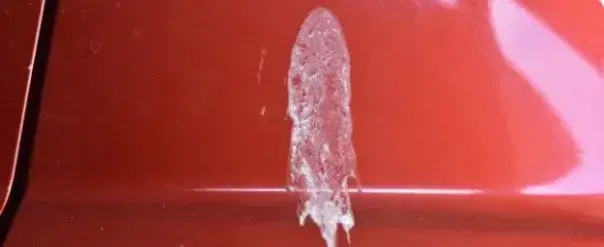
Today we will discuss the frequent and often underestimated threat to automotive surface integrity: Bird Poop. While seemingly innocuous, bird droppings possess a highly acidic composition that can, if left unaddressed, cause permanent damage to the clear coat and underlying paint layers. Prompt and proper removal is therefore not merely a matter of aesthetics, but of preventative maintenance. We will now examine a tiered approach to the safe removal of these contaminants.
Tier 1: Immediate Response to Fresh Contamination
For fresh, non-cured droppings, the procedure is straightforward.
1.Materials: A quality quick detailer spray and a clean microfiber towel.
2.Procedure: Apply the quick detailer solution liberally to both the contaminant and a folded section of the microfiber towel. With minimal pressure, gently wipe the area. The objective is to lift the material, not scrub it, thereby avoiding the introduction of micro-abrasions into the paint surface.
3.Final Step: Fold the towel to a clean, unused side, apply another light mist of the solution, and perform a final wipe to remove any residual material. This method is effective for contaminants addressed within a few hours.
Tier 2: Addressing Semi-Cured Contaminants
Should the contaminant have had time to partially dry, a more robust solution is required to provide necessary lubrication and cleaning power.
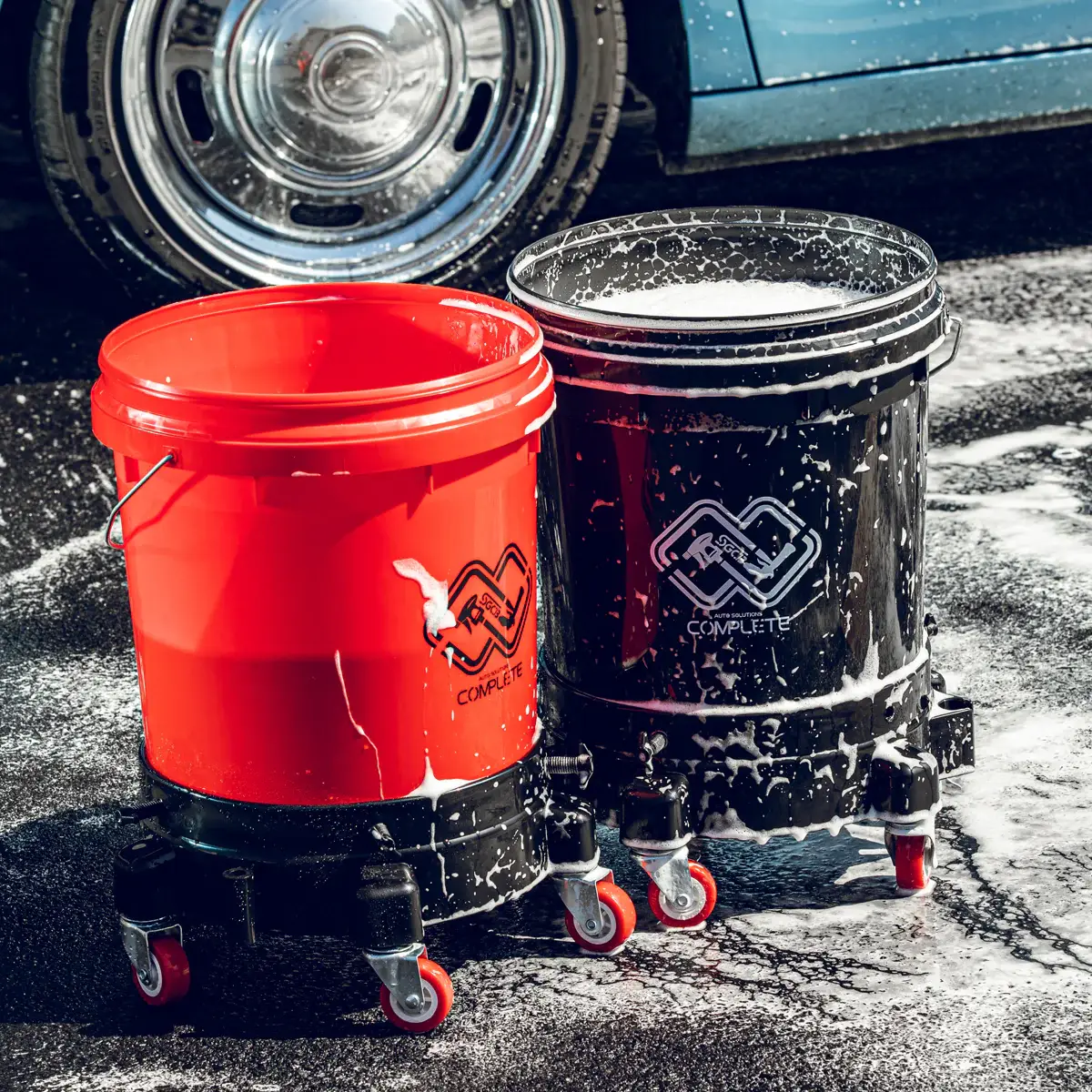
1.Materials: A rinseless car wash solution, a bucket of water, and a plush wash mitt.
2.Procedure: Prepare the rinseless solution according to the manufacturer’s specified dilution ratio. Submerge the wash mitt in the solution and place it directly over the dropping. Allow it to dwell for approximately 60 seconds. This allows the polymers in the solution to encapsulate and soften the contaminant.
3.Removal: With gentle, linear motions, wipe the area. The increased lubricity of the rinseless wash will help prevent scratching. Repeat as necessary, ensuring the mitt is rinsed of debris between applications.
Tier 3: Removal of Fully Cured and Bonded Contaminants
For droppings that have fully hardened, a chemical approach is necessary to break down the organic material.
1.Materials: An automotive-grade degreaser, suck as Koch Chemie Green Star, and a microfiber towel.
2.Pre-conditions: Ensure the vehicle panel is cool to the touch and out of direct sunlight to prevent the degreaser from evaporating prematurely.
3.Procedure: Apply the degreaser directly onto the hardened dropping and allow it to dwell. The chemical agents will work to break down the material’s bond with the paint surface. After a minute, use a microfiber towel to gently wipe the residue away.
4.Post-Treatment: It is imperative to follow this step with a rinseless or traditional wash to neutralize and remove any remaining degreaser from the paint surface.
Concluding Remarks: The Critical Importance of Timely Intervention
It must be emphasized that the acidic nature of bird droppings can begin to etch the clear coat in a matter of hours, not days. Once etching has occurred, no cleaner or chemical will resolve the imperfection. The only recourse at that stage is mechanical abrasion via polishing to level the clear coat. Therefore, the most effective strategy is rapid removal. Furthermore, the application of a sacrificial protective layer, such as a wax, sealant, or ceramic coating, provides a barrier that can significantly delay the onset of etching and facilitate easier removal of such contaminants.